

Pearl Strategy and Innovation Design recently attended the webinar hosted by Ipsos where experts shared how the idea of “wellness” is changing and what it means for the future. Here is what we found.
1. Wellness goes beyond healthcare.
Canadians now see wellness as part of food, home, work, travel, financial services, technology, and retail. This means any company in these spaces has a role to play in people’s well-being.
2. Healthcare system under strain.
Most Canadians support universal healthcare, but they don’t believe the system will keep up with the demand. Concerns include wait times, costs, and access to providers. This gap is pushing people to build their own “parallel systems” with virtual care, apps, private clinics, and employer benefits.
3. Tech optimism with caution.
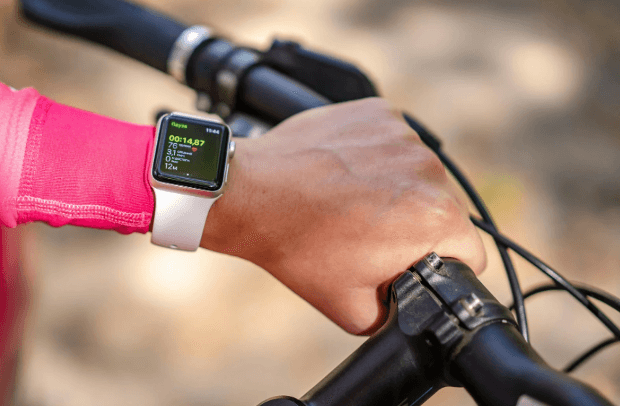
People are open to AI, wearables, and genetic tools, but only if clinicians remain involved. They want technology to simplify, personalize, and support human care, not overwhelm them or replace doctors.
4. Mental health equals physical health.
For the first time, Canadians rate mental health as equally important as physical health. Youth mental health is a pressing issue. This shifts the definition of wellness and raises expectations for support from employers, schools, and services.

5. The empowered but overwhelmed consumer.
Canadians research diets, treatments, and lifestyle choices on their own—but too much online information is conflicting and stressful. The opportunity for organizations and brands is to be a trusted guide by filtering and clarifying, not adding noise.
6. Home as a wellness hub.
Nearly 9 in 10 Canadians say home impacts their health. Design, light, air quality, and sleep routines make the home a center for recovery and prevention. Companies like IKEA are leaning into this trend – Example: blackout blinds for better sleep, air purifiers for cleaner air, multifunctional furniture to reduce clutter and stress.

7. Food comes first.
Diet is seen as the #1 driver of personal health. Trends to watch: personalization (genetics, microbiomes, AI coaching), plant-forward eating, functional foods (for sleep, stress, immunity), debates over ultra-processed foods, GLP-1 drugs (weight loss) reshaping diets, and tech-enabled nutrition.
8. Travel and recreation as health.
Nature, recreation, and destination choices are now part of wellness decisions.

9. Workplace wellness rising.
Employers are expected to support both physical and mental health, with inclusive benefits, diverse programs, and a focus on equity. Wellness at work is now tied to productivity and competitiveness.
10. Future outlook.
Wellness will be more personalized, integrated into daily life, and accessible to all—not just the privileged. Empowerment, equity, and affordability will be critical.
What does it mean for Brands
- Position your product/service as contributing to well-being.
- Give trusted guidance instead of overwhelming consumers with options.
- Use AI, apps, and wearables as enablers — but keep the human element front and center.
- Create solutions that improve daily routines, rest, or the living environment. Example- products that improve sleep or reduces stress.
- Explore functional foods and personalization.
- If you’re an employer, expand wellness benefits and inclusivity programs.
Want to dive deeper into our health & wellness insights to refine your brand’s strategy? Connect with us at Pearl Strategy (johnchan@pearl-strategy.ca) to learn how we can help your brand respond to the health & wellness challenges of consumers with empathy and impact.
Source: Ipsos September 2025